



Microsoft Azure Data Factory
What is Microsoft Azure Data Factory?
Cloud-based tool for data integration.
Customer Satisfaction
7.1
★★★★★★★★★★ Rated 7.1 out of 10
User Experience
6.8
★★★★★★★★★★ Rated 6.8 out of 10
Technical Foundation
7.2
★★★★★★★★★★ Rated 7.2 out of 10
Business Value
6.3
★★★★★★★★★★ Rated 6.3 out of 10
Self-description of Microsoft Azure Data Factory
No vendor self-description available
About BARC Reviews
Would you like to find out more about BARC reviews? Our FAQs answer the most important questions.
References
No data available
Partners
No data available
Microsoft Azure Data Factory BARC Review & Rating
Provider and product description
Microsoft, founded in 1975, has strategically positioned itself as a leader in cloud computing through Azure and generative AI through its OpenAI investment. In 2023, the company introduced Microsoft Fabric, a unified SaaS analytics platform that CEO Satya Nadella called “the most important product since SQL Server in 1989.” This creates a dual reality for customers: Microsoft maintains the standalone Azure Data Factory service while simultaneously offering Data Factory within Fabric. Strategic momentum is clearly shifting toward a Fabric-first approach, though the standalone service remains relevant for existing deployments.
The dual nature of Microsoft’s offering creates distinct value propositions and target audiences. Standalone Azure Data Factory is a mature cloud service designed for large-scale ETL/ELT operations in hybrid environments, targeting data engineers and IT professionals with technical expertise. Its architecture centers on pipelines, activities, linked services, and Mapping Data Flows powered by managed Spark clusters, with code-based transformations executed through Databricks or HDInsight. This positioning serves complex, code-heavy data integration scenarios. In contrast, Data Factory in Fabric represents Microsoft’s next-generation, AI-powered SaaS offering aimed at a broader audience including business analysts, power users, citizen integrators, and data engineers. Fabric’s architecture features Dataflows Gen2 with over 300 transformations in a low-code environment, OneLake as unified storage, Copilot integration for natural language development, and native support for Apache Airflow and dbt. Data movement capabilities include Copy jobs, change data capture (CDC), and Mirroring for near real-time replication. The critical distinction: Fabric is fully SaaS with no hybrid deployment option.
Microsoft’s go-to-market strategy is decidedly “Fabric-first,” leveraging its massive Microsoft 365 and Power BI install base of millions of existing users. The company positions Fabric as an “AI-Ready Foundation” that eliminates the complexity of integrating separate data services – a not-so-subtle critique of the DIY approach competitors require. Enterprise sales are partner-driven through global system integrators (GSIs), targeting upper mid-market and Fortune 500 accounts. The strategy is working: 43% of respondents purchased Data Factory due to fit with their existing Microsoft technology landscape, the third-highest reason to buy. This reflects Microsoft’s installed base advantage.
Connectivity remains Microsoft Data Factory’s primary competitive advantage. With over 300 native connectors, 57% of customers cite connectivity to source and target systems as a key purchase reason. Functional capabilities drive 48% of purchases, spanning ETL/ELT operations, orchestration, and performance optimization. Fabric-specific AI features include Copilot for natural language pipeline development, a modern query engine, and partitioned compute for cost efficiency. However, survey results reveal a limitation: Microsoft fails to earn top ranks in any category – an underwhelming performance given the company’s resources and comprehensive product portfolio.
Microsoft Azure Data Factory is ideally suited for Microsoft-centric organizations already invested in Azure and seeking ecosystem consolidation. The value proposition centers on strong connectivity, existing vendor relationships, and a migration path to Fabric. However, survey data exposes critical gaps in Microsoft’s unified platform promise. Business Benefits (5.7/10) and Business Value (6.3/10) represent the lowest KPI scores, indicating customers have not realized the value Microsoft advertises. Despite “low-code” positioning, users report high technical knowledge requirements: “The tool requires a high level of technical knowledge from the user.” The tool remains inaccessible to the broader business audience Microsoft targets. Finally, the dual offering creates strategic uncertainty – customers must choose between a mature standalone service or an evolving Fabric platform with unclear feature parity and migration considerations.
Strengths and challenges of Microsoft Azure Data Factory
BARC’s viewpoint on the product’s strengths and challenges.
Strengths
- Connectivity dominance: 57% purchase for source/target system connectivity, which is notably above average, backed by 300+ native connectors and particularly strong Azure ecosystem integration.
- Many Azure Data Factory users purchase the product because they like the fit with their existing and future landscape and connectivity to source/target systems—a clear reflection of Microsoft’s dominant installed base of small, mid-sized, and large organizations.
- Reliability and scalability: Among the highest-rated KPIs at 7.6/10 for both Platform Reliability and Scalability, indicating Microsoft delivers on core infrastructure requirements.
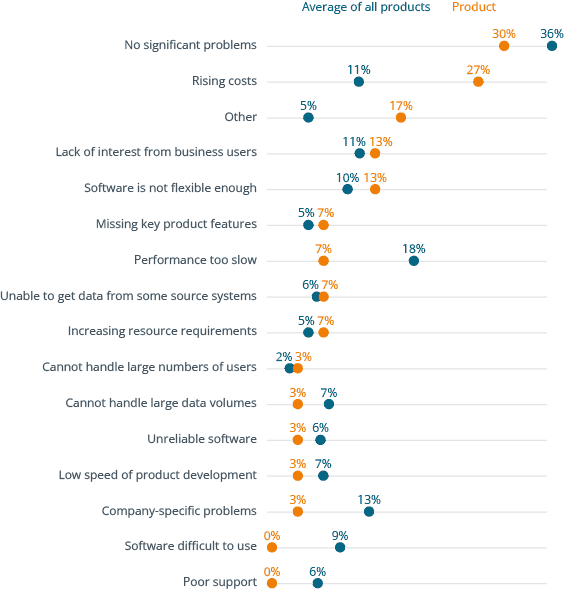
- Low problem incidence: 38% report no significant issues compared to 26% on average, suggesting stable operations for most deployments.
Challenges
- Customers rank Azure Data Factory relatively low for Business Benefits and Business Value, which indicates the vendor has some work to do in delivering on the promise of modern data integration.
- Given the breadth of Microsoft’s product portfolio and financial resources, it is surprising to see that Microsoft fails to earn top ranks in any category.
- Accessibility barrier: Ease of Use rated only 6.4/10; user feedback confirms it "requires high level of technical knowledge" and remains "used by specialized department within IT," contradicting low-code positioning.
Microsoft Azure Data Factory User Reviews & Experiences
The information contained in this section is based on user feedback and actual experience with Microsoft Azure Data Factory.
The information and figures are largely drawn from BARC’s The BI & Analytics Survey, The Planning Survey, The Financial Consolidation Survey and The Data Management Survey. You can find out more about these surveys by clicking on the relevant links.
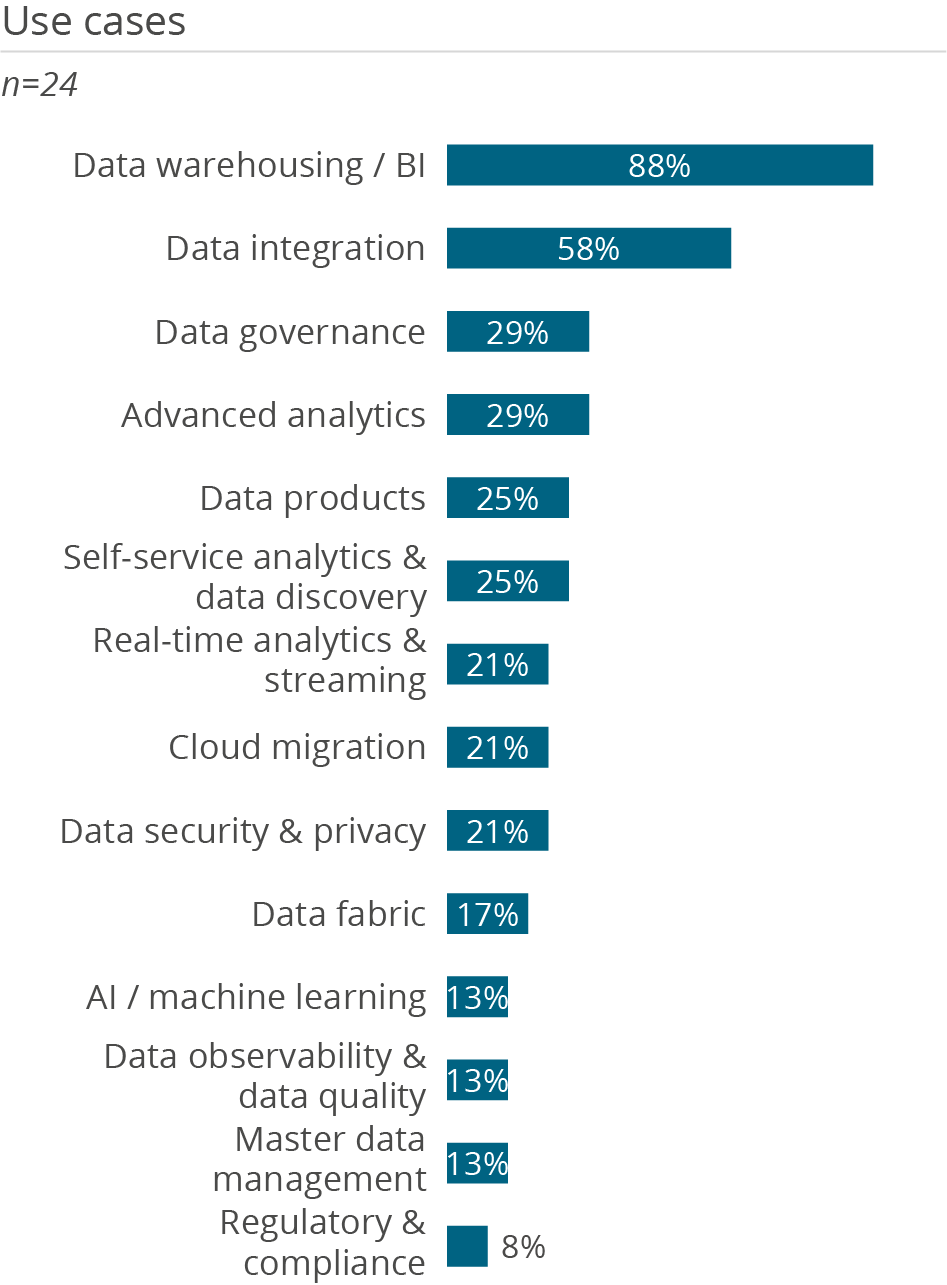
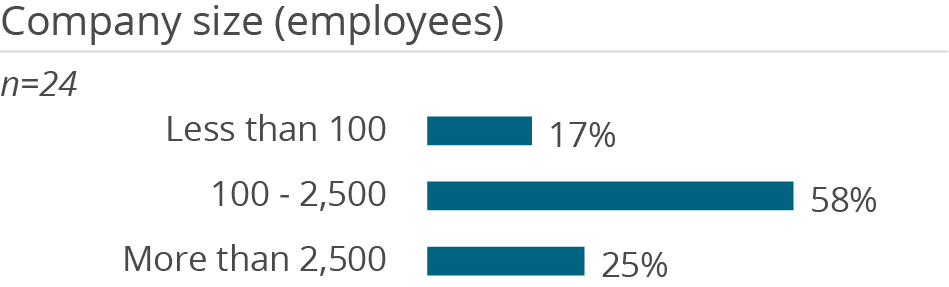
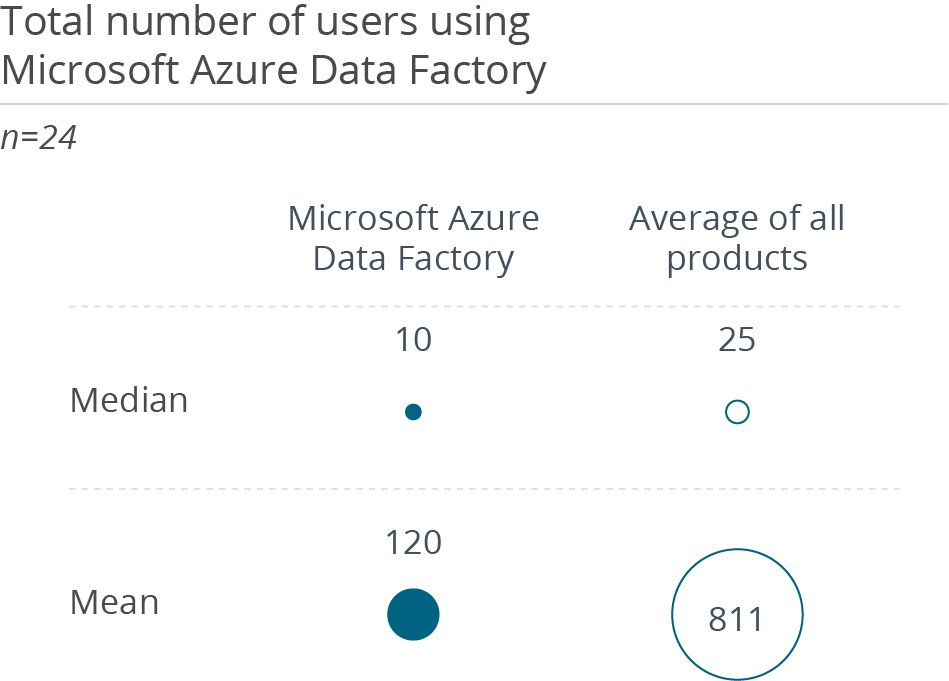
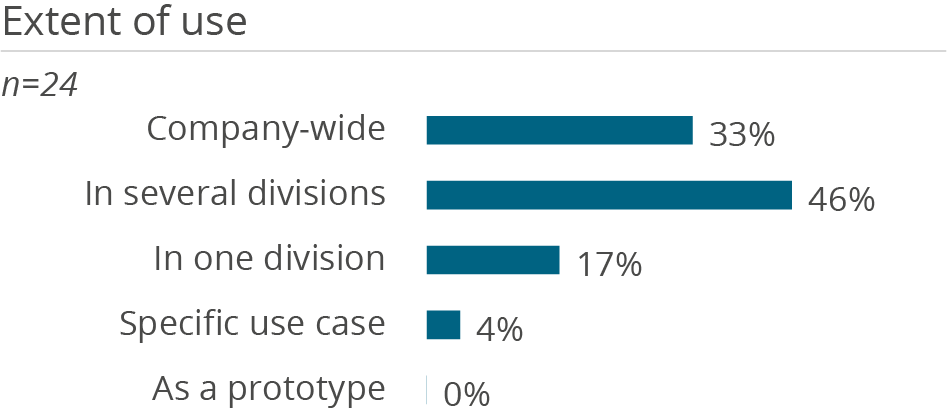
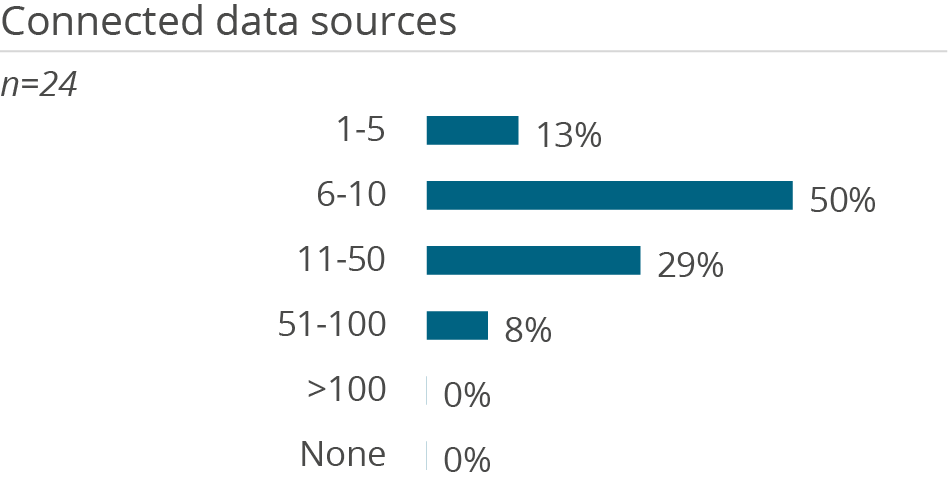
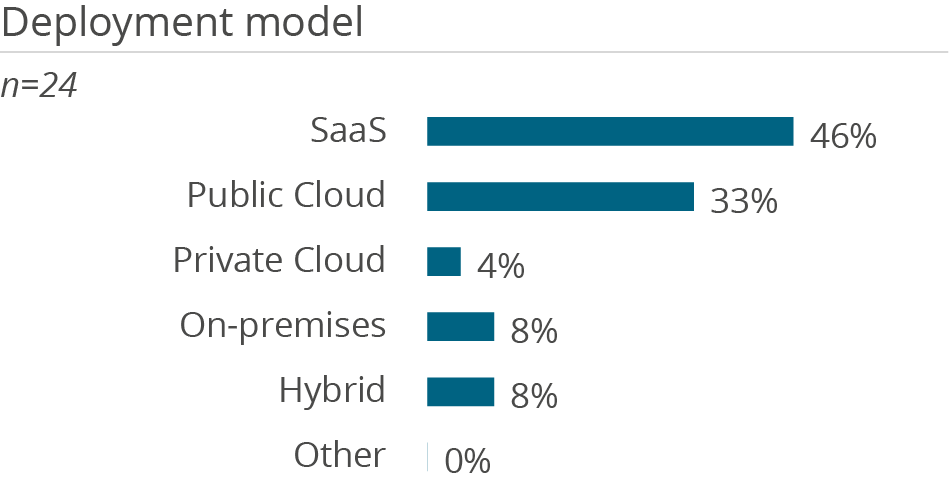
Who uses Microsoft Azure Data Factory in a data management context and how
Why users buy Microsoft Azure Data Factory and what problems they have using it

Premium content. Unlock with BARC+.
For just €79 per month (€948 per year) you can access all the paid content on www.barc.com.
Your benefits:
- Get independent information on software solutions, market developments and trends in data, analytics, business intelligence, data science and corporate performance management.
- Make data & analytics decisions based on numbers, data, facts and expert knowledge
- Access to all premium articles and all our research, including all software comparison studies, scores and surveys.
- Unlimited access to the BARC media library
- Consume unlimited content anywhere
Full user reviews and KPI results for Microsoft Azure Data Factory
All key figures for Microsoft Azure Data Factory at a glance.
Premium content. Unlock with BARC+.
For just €79 per month (€948 per year) you can access all the paid content on www.barc.com.
Your benefits:
- Get independent information on software solutions, market developments and trends in data, analytics, business intelligence, data science and corporate performance management.
- Make data & analytics decisions based on numbers, data, facts and expert knowledge
- Access to all premium articles and all our research, including all software comparison studies, scores and surveys.
- Unlimited access to the BARC media library
- Consume unlimited content anywhere
Individual user reviews for Microsoft Azure Data Factory
Survey Information
Number of reviews for Microsoft Azure Data Factory
24
Reviewed versions
Peer groups in the survey
Data Engineering Tools, Data Engineering (Big Players), ETL Tools
