One Data
What is One Data?
End-to-end platform for the design, development and provision of data products with functions for pipelining and cataloging as well as data governance and marketplace functions.
About One Data
The information in this section has been provided by the vendor of One Data.
Self-description of the vendor
One Data is the standard software for trusted data products. Founded in 2013 by Dr. Andreas Böhm, One Data is a fast-growing German software company with over 150 employees from more than 30 countries, united by a mission to make working with data intuitive, transparent, and impactful.
Its Data Product Space unites business and data teams in one collaborative environment. With its unique capabilities, it transforms fragmented data into reliable, secure, and reusable data products that deliver measurable business outcomes – from more resilient supply chains to sharper forecasts.
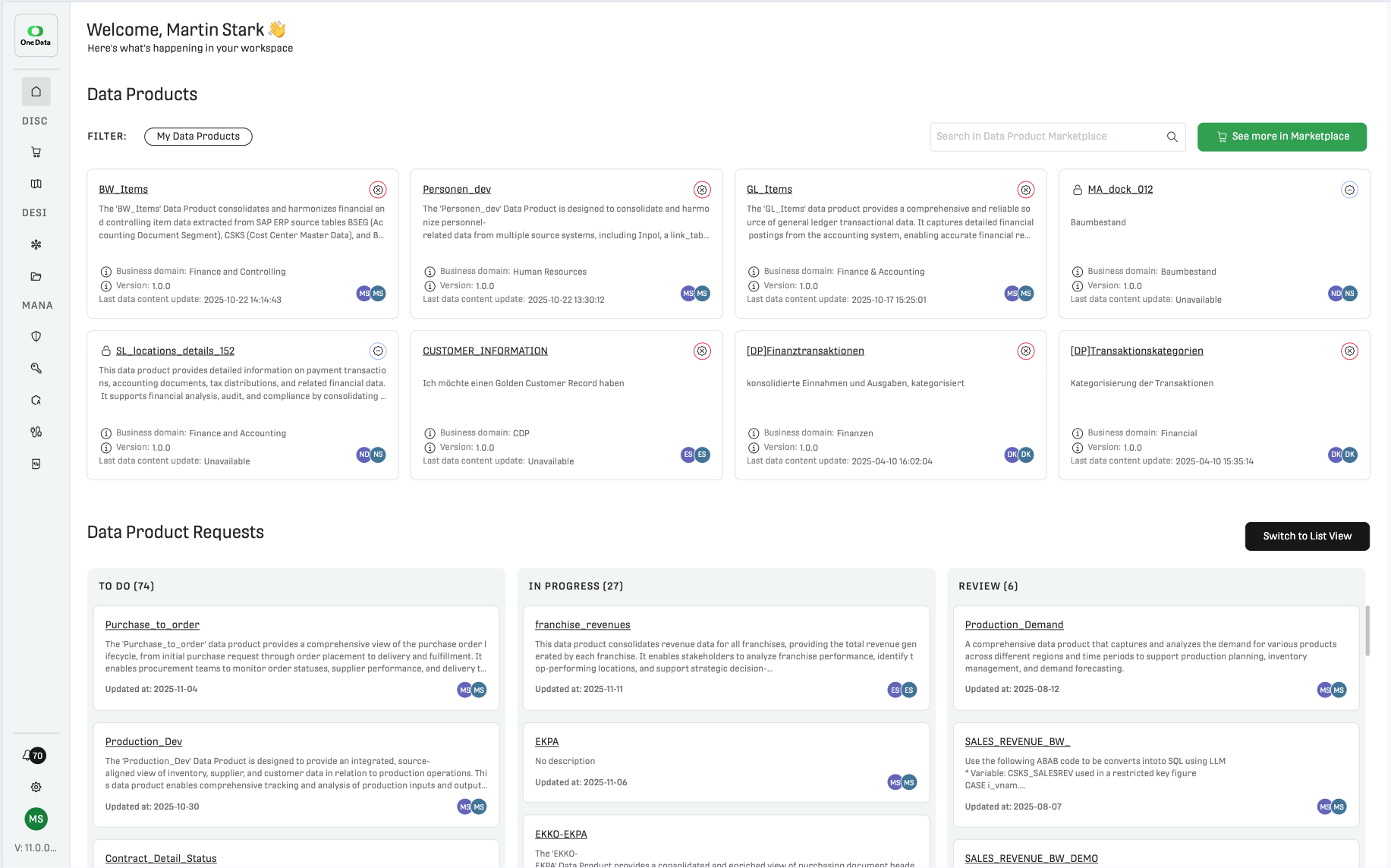
The platform supports every step of the data product lifecycle – discovery, design, delivery, monitor and scale. It seamlessly integrates into your existing tech stack, it provides built-in quality, governance, and value tracking, and it enables organizations to reduce overhead, cut costs and accelerate time-to-impact.
One Data sets the standard for creating and scaling data products that drive real impact. Join us on our mission and transform your data challenges into competitive advantages (onedata.ai).
One Data videos
Mit dem Laden des Videos akzeptieren Sie die Datenschutzerklärung von YouTube.
Mehr erfahren
Mit dem Laden des Videos akzeptieren Sie die Datenschutzerklärung von YouTube.
Mehr erfahren
Would you like to find out more about BARC reviews? Our FAQs answer the most important questions.
One Data BARC Review & Rating
This section contains our independent analyst views on One Data.
Provider and product description
One Data is a German technology company with approximately 200 employees across four offices, operating primarily in the DACH region. Founded in 2013 as ONE LOGIC, the company launched its first product in 2015, positioning itself as a pioneer in data product creation. Over the past decade, One Data has evolved from a purely technical data product builder into a platform that helps organizations steer, coordinate, and prioritize the entire data product lifecycle by business impact and P&L outcomes. While industry-agnostic, the company maintains a strong presence in pharmaceutical and specialized manufacturing sectors, including automotive supply chains, while expanding into retail.
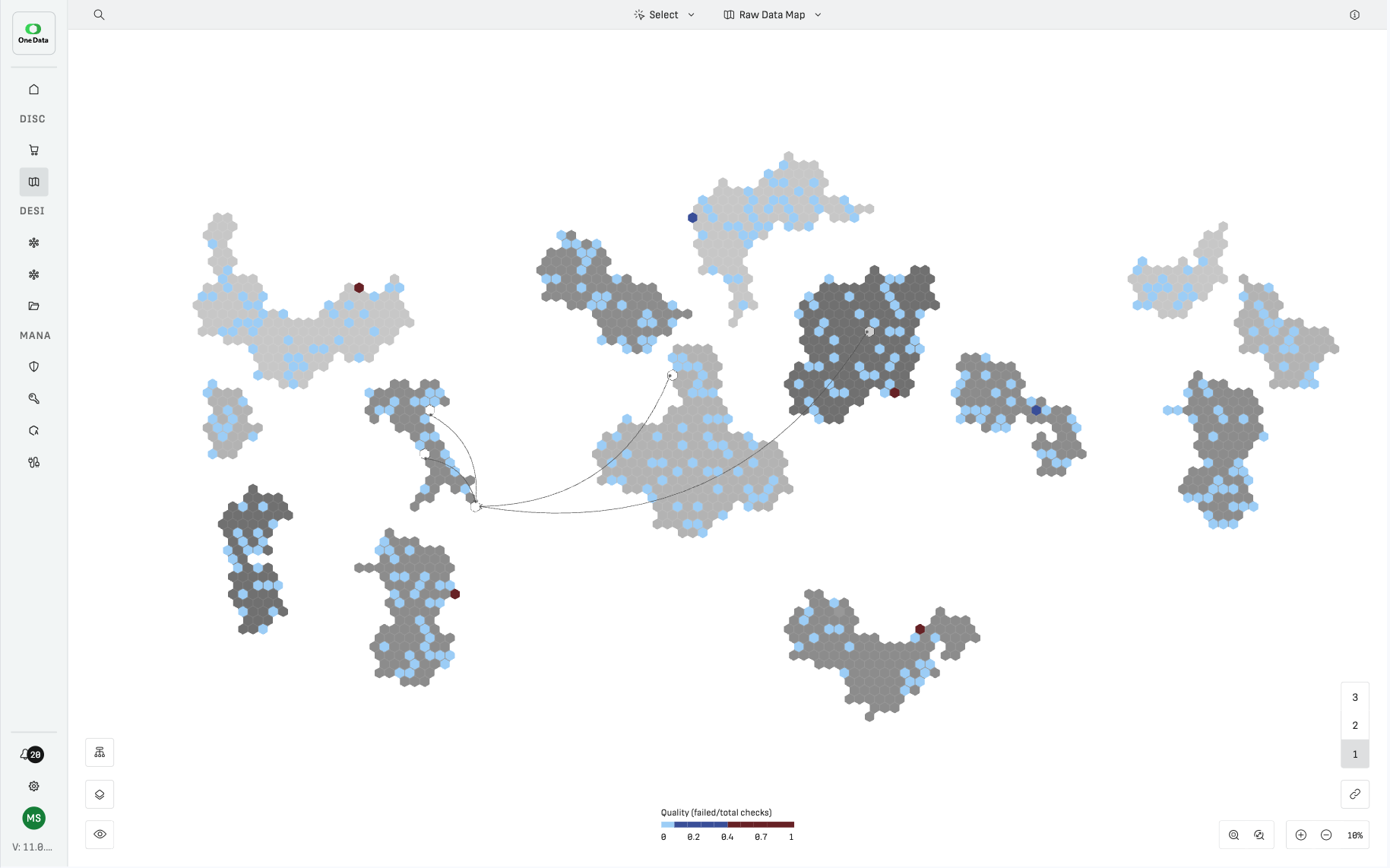
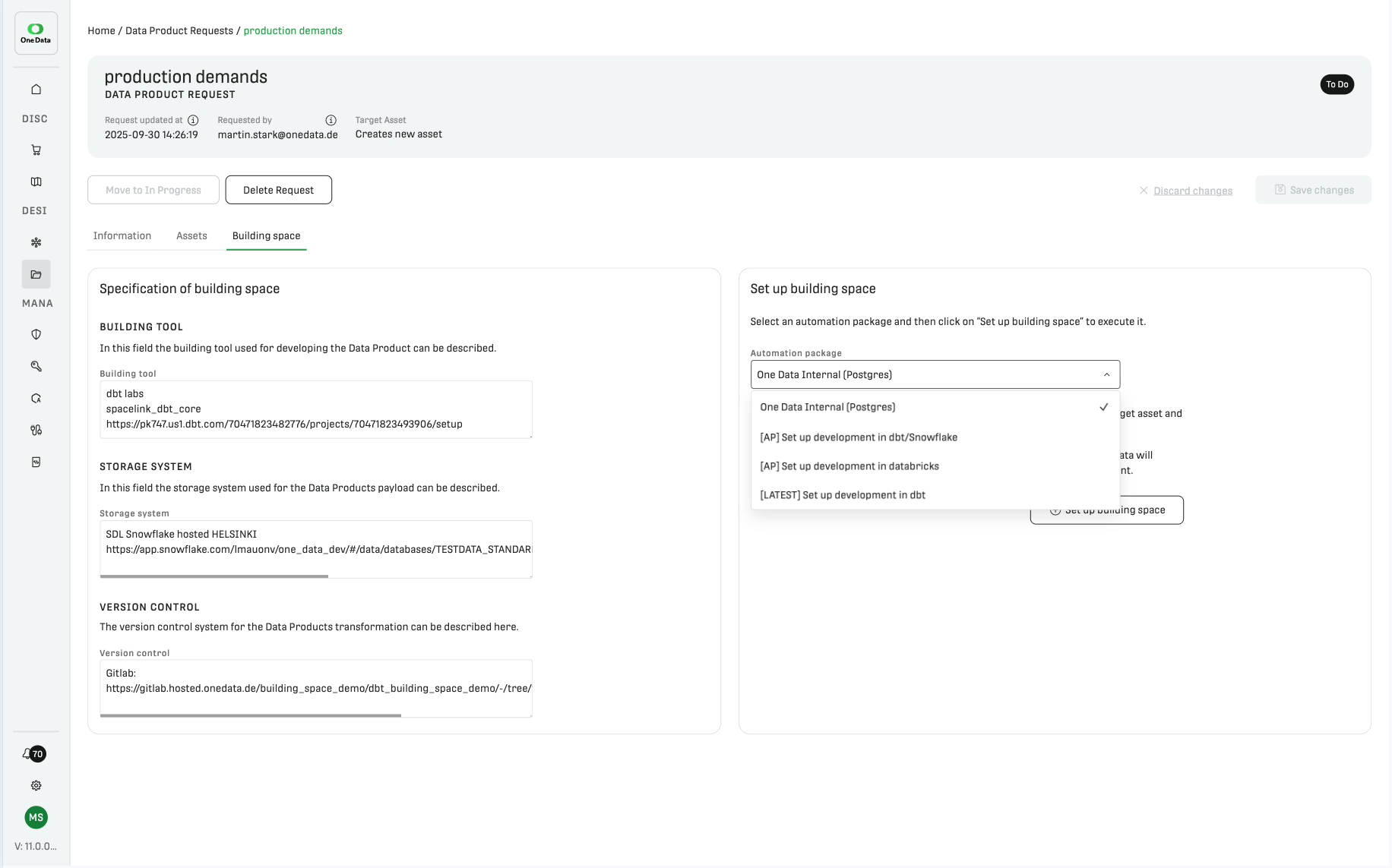
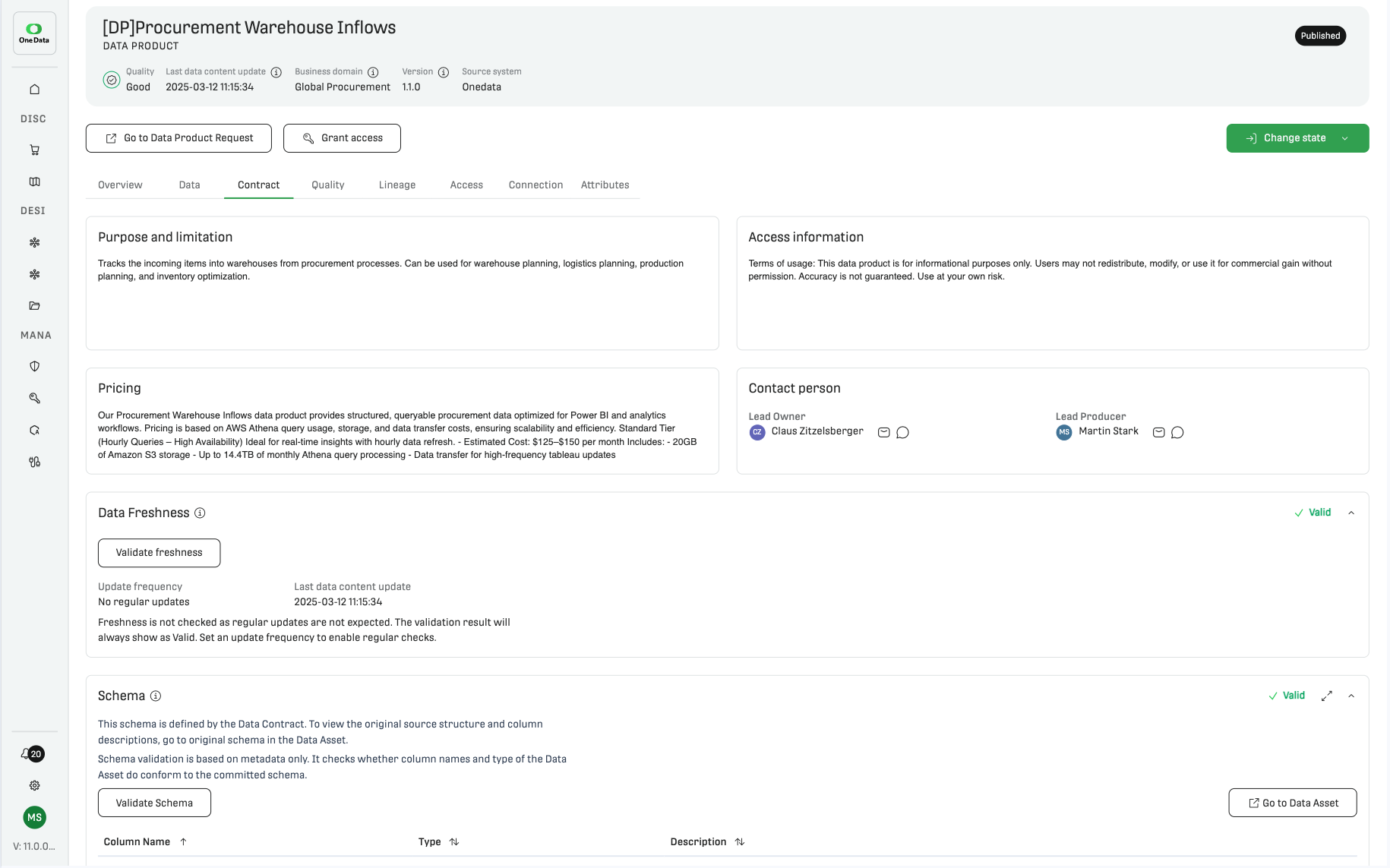
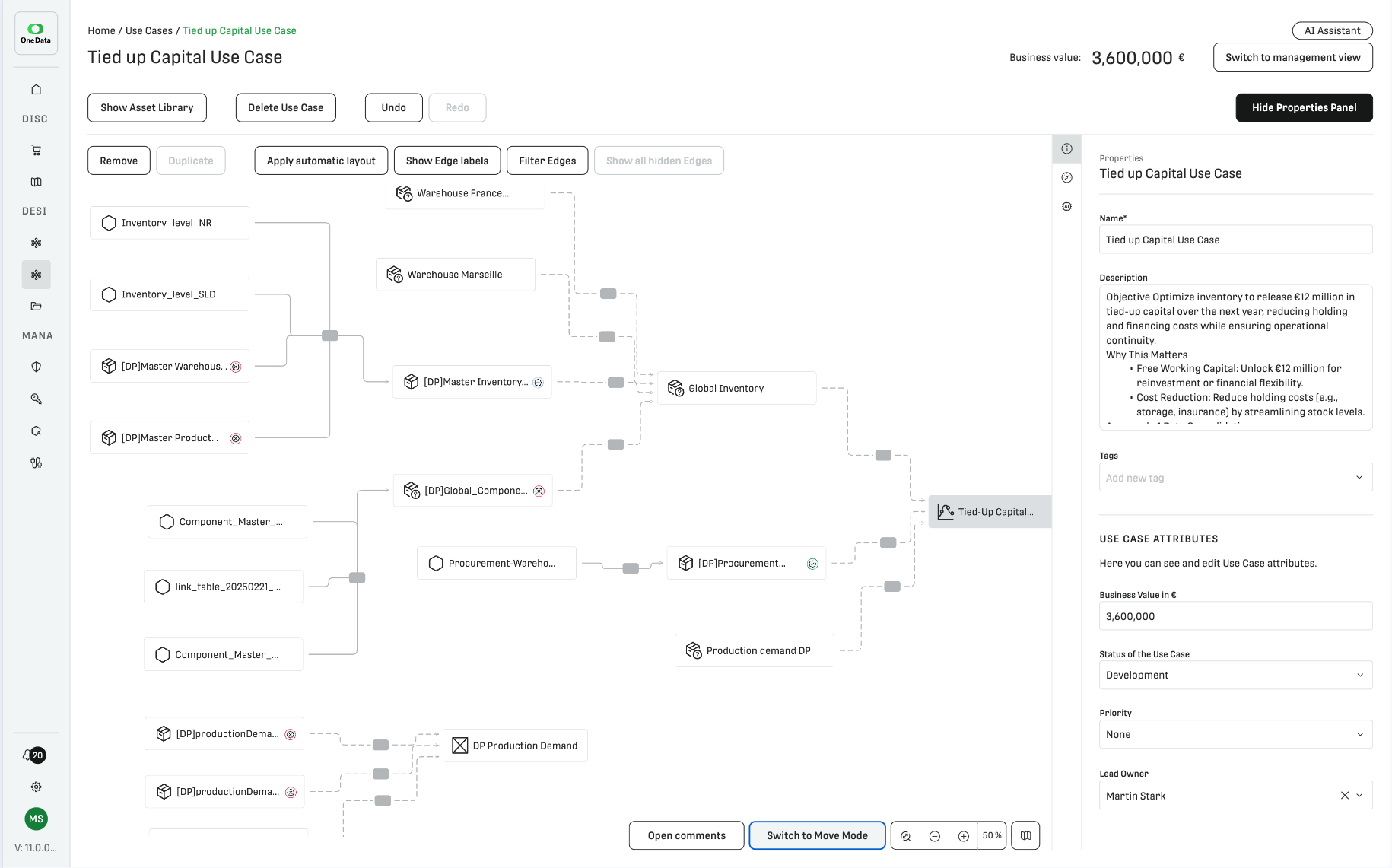
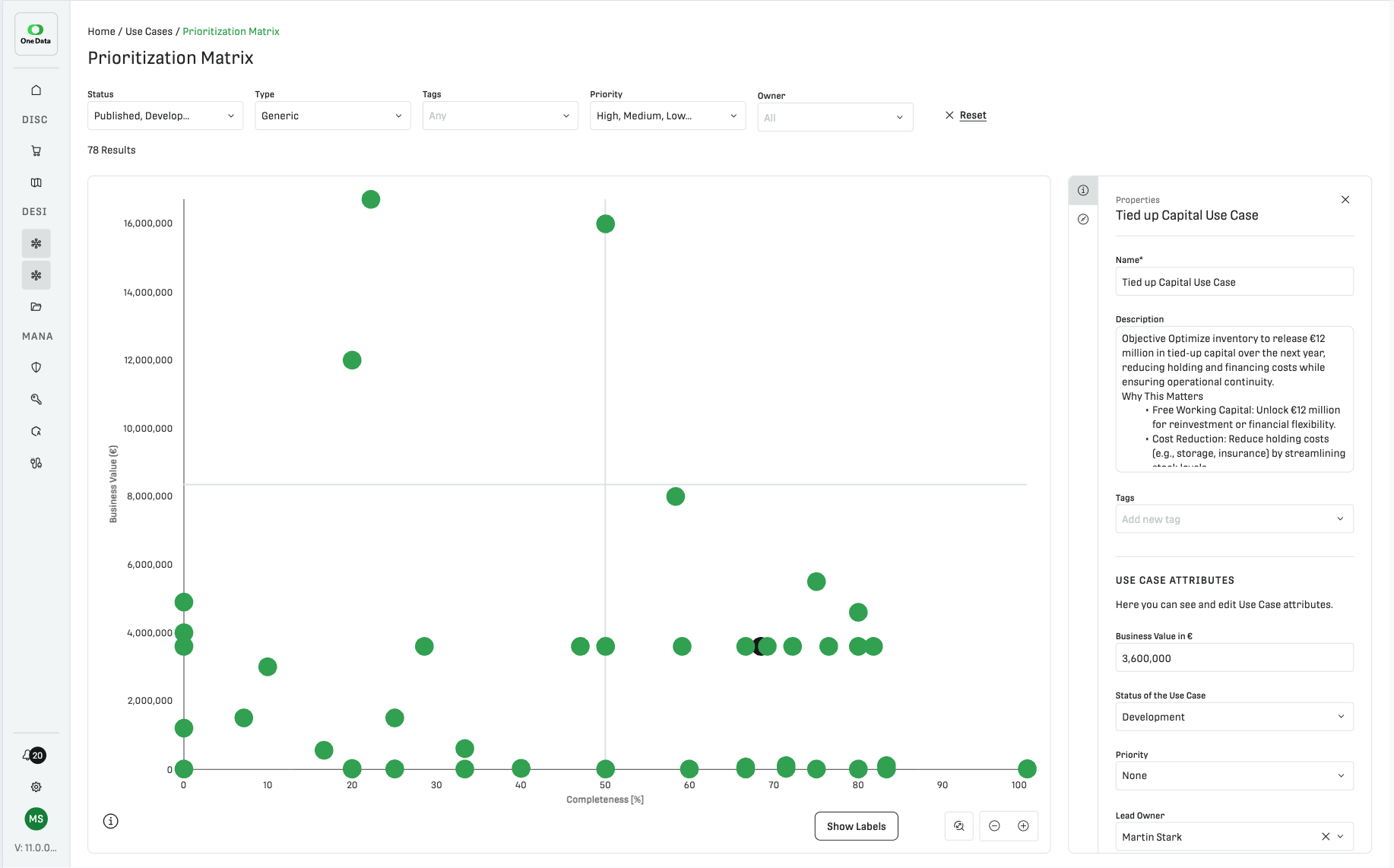
The company’s product, positioned as a “Data Product Space,” provides end-to-end data product lifecycle management. At the business value layer, data use case collection helps identify tangible business problems with measurable dollar outcomes, while prioritization and impact features enable P&L-driven decision-making. For discovery and collaboration, a consumer-friendly data map visualizes data relationships and availability, while the data product marketplace provides self-service access and emerging data contract capabilities further support the producer-consumer collaboration. The technical foundation for building data products is evolving strategically: Historically powered by One Data’s own Apache Spark engine for processing, the platform is increasingly integrating with established cloud platforms including Snowflake, Databricks, dbt, Collibra, AWS, Tableau, and Power BI, positioning itself as a metadata layer that precisely orchestrates work on customers’ existing infrastructure. The platform can be deployed on AWS, Azure, or on-premises environments, with growing GenAI integration to enhance accessibility. This architecture delivers both innovation and data sovereignty, enabling European organizations to leverage independent technology on European clouds and data centers when required.
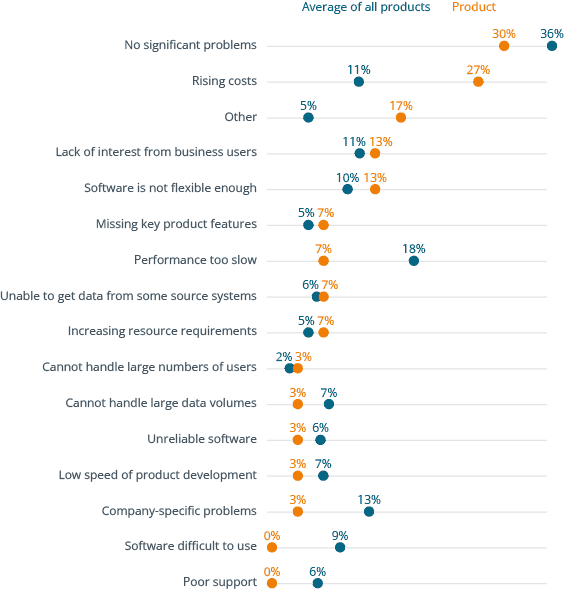
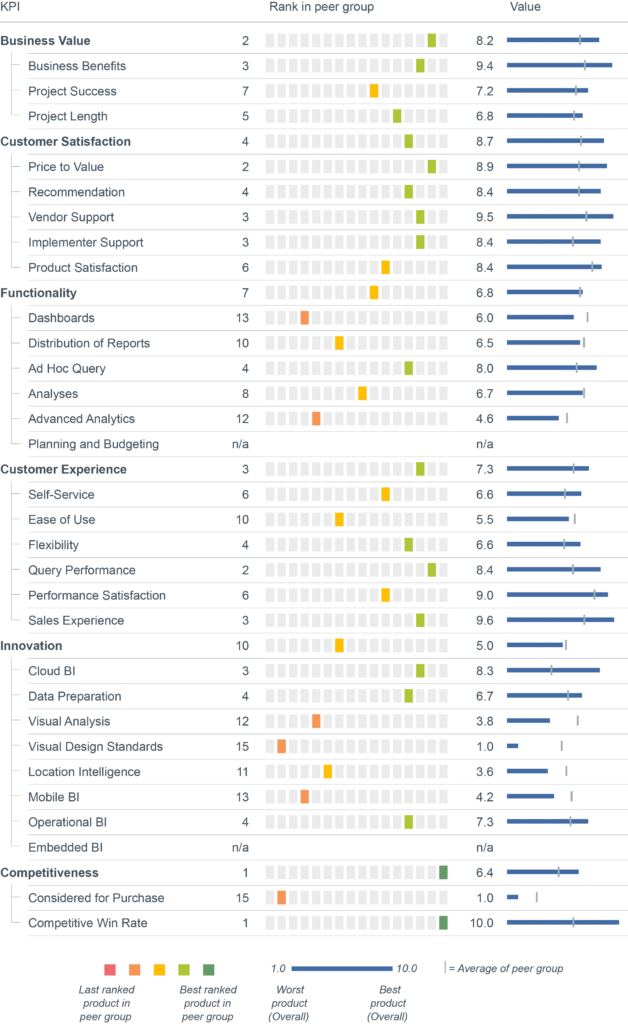
In The Data Fabric Survey 26, One Data demonstrated strong performance, particularly in the ETL Tools peer group where it ranked first for Ease of Use (8.3/10) and Project Length (8.0/10). The company’s business model, which combines platform capabilities with professional services, enables the delivery of advanced, complex data products that extend beyond classic data warehousing. One Data excels at building data products rapidly with high quality – also in areas where classic data warehousing approaches might not fully succeed, for example, with IoT data. A strong Ease of Use score reflects the platform’s intuitive business-facing marketplace and discovery tools designed for non-technical users, while technical teams benefit from comprehensive pipeline building capabilities. Most notably, 60 percent of One Data users reported no significant problems with the platform, compared to just 26 percent across all products surveyed, underscoring exceptional user satisfaction. However, Platform Reliability (6.5/10) and Performance (6.7/10) scores suggest the technical infrastructure requires further hardening to meet enterprise-grade expectations.
User feedback validates the platform’s end-to-end value proposition. One customer captured this succinctly: “Maps entire data product lifecycle from ETL to marketplace. Attractive UI, generally high user-friendliness. Fast time-to-market possible.”
As BARC research confirms, data products remain an upward market trend, and One Data’s strategic evolution from technical builder to business-value-driven platform positions the company well for this momentum. One Data fits best for organizations building either complex data products seeking to steer data engineering by impact on the P&L sheet, while organizations seeking lightweight, plug-and-play tools for straightforward data transformation scenarios may find the platform’s comprehensive approach unnecessarily thorough for their needs.

Strengths and challenges of One Data
BARC’s viewpoint on the product’s strengths and challenges.
Strengths
- One Data provides an end-to-end approach to data product management, covering all steps from analyzing data consumers’ needs to subscribing to data products.
- As a pioneer in the data products domain, One Data not only builds successful data products but also shares its expertise with customers, providing both technical best practices and guidance setting up data product organizations.
- With a strong focus on leveraging generative AI, One Data carefully integrates features to make the platform more accessible for data product owners and consumers, enhancing usability and value creation.
Challenges
- Implementing One Data requires more than just adopting another tool – it often involves a significant shift in how data engineers work. The platform replaces part of the traditional tech stack, leading to a steep learning curve and potentially making it harder to switch providers due to the platform's unique feature set.
- While One Data has already worked on ecosystem integration over the past year, users still report the need for better ecosystem and workflow integration.
- Platform Reliability (6.5/10 in the Data Engineering Tools peer group) and Performance scores lag behind competitors, requiring focused improvement.
One Data User Reviews & Experiences
The information contained in this section is based on user feedback and actual experience with One Data.
The information and figures are largely drawn from BARC’s The BI & Analytics Survey, The Planning Survey, The Financial Consolidation Survey and The Data Management Survey. You can find out more about these surveys by clicking on the relevant links.
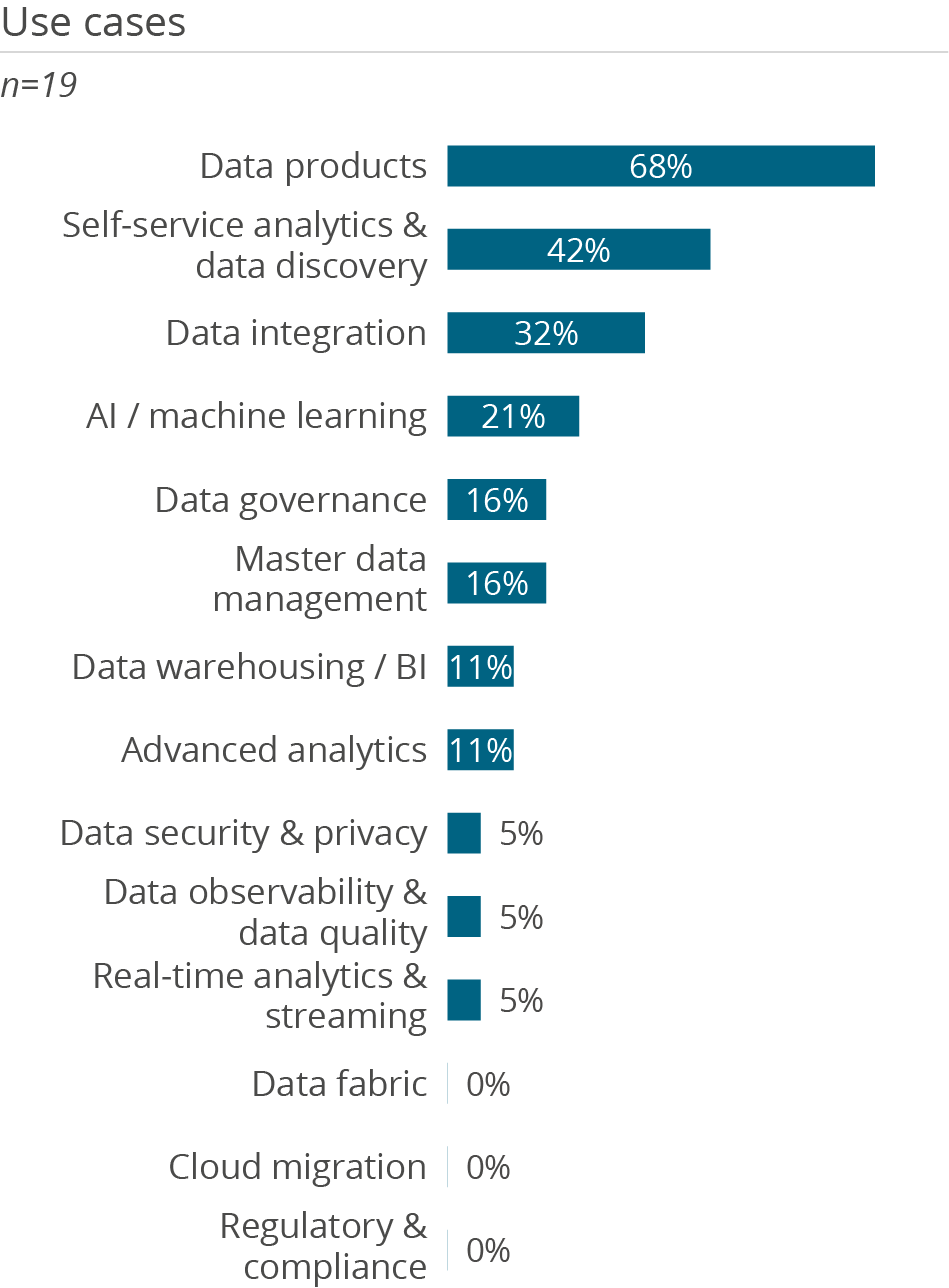
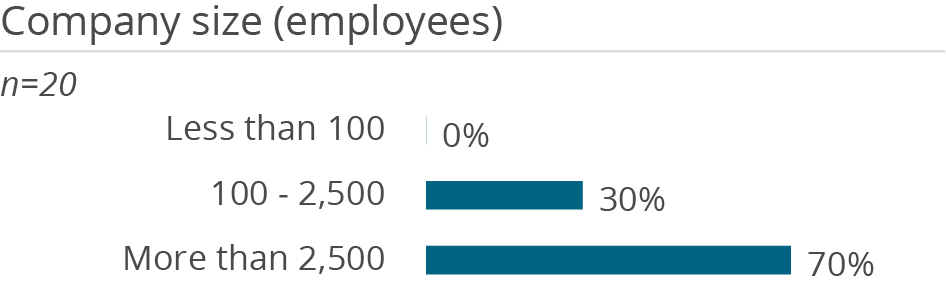
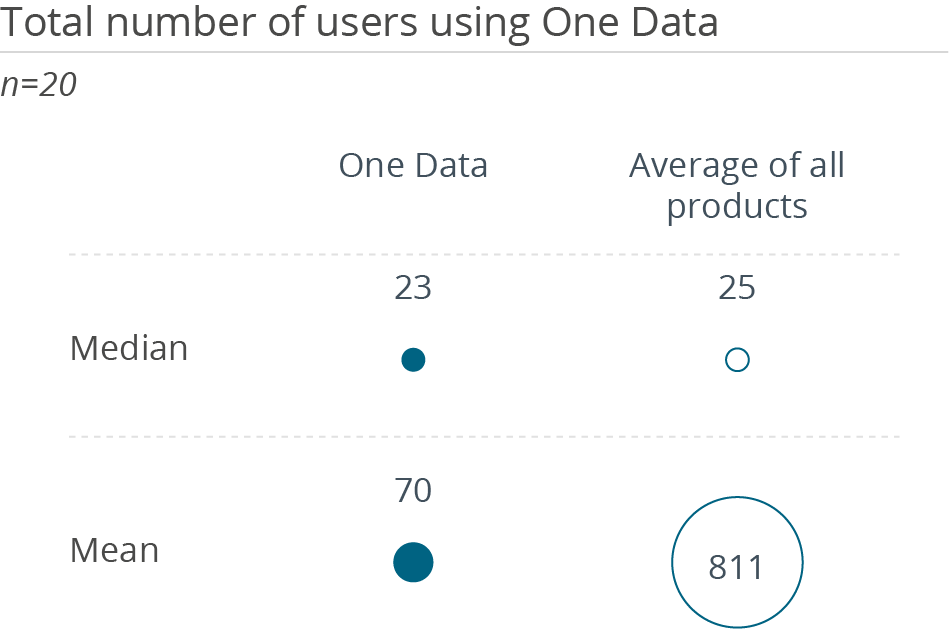
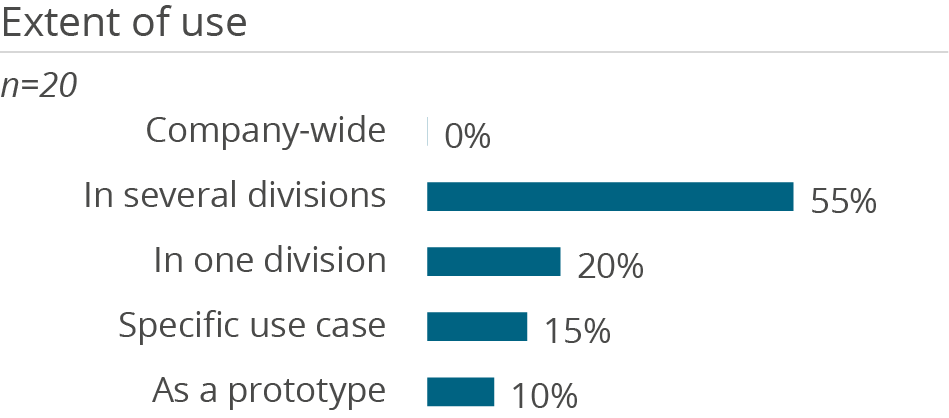
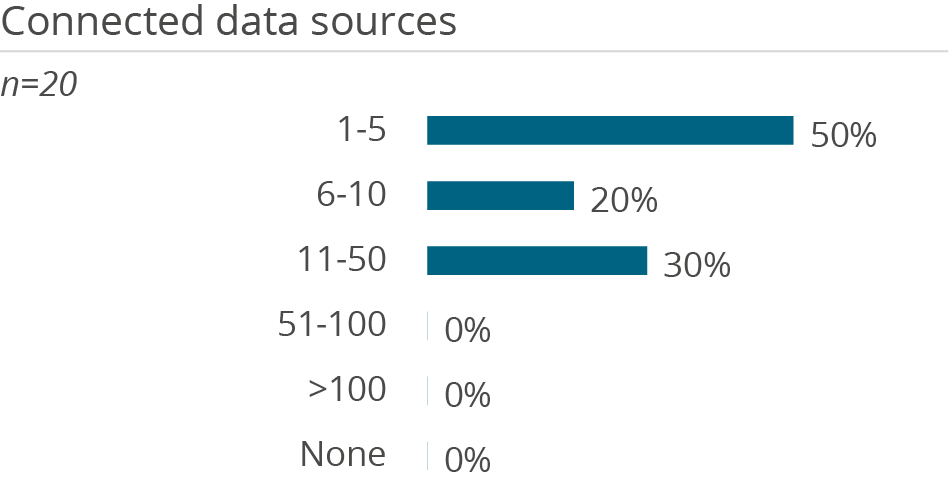
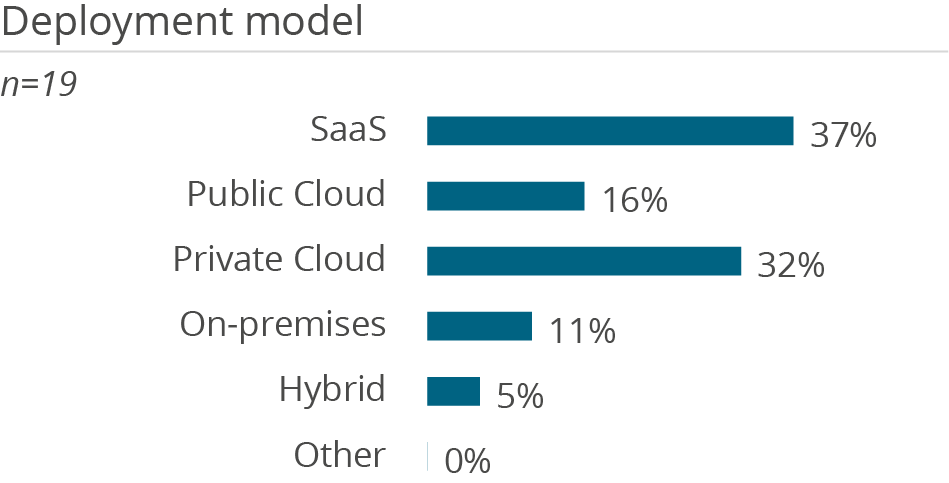
Who uses One Data in a data management context and how
Why users buy One Data and what problems they have using it
- Get independent information on software solutions, market developments and trends in data, analytics, business intelligence, data science and corporate performance management.
- Make data & analytics decisions based on numbers, data, facts and expert knowledge
- Access to all premium articles and all our research, including all software comparison studies, scores and surveys.
- Unlimited access to the BARC media library
- Consume unlimited content anywhere
Full user reviews and KPI results for One Data
All key figures for One Data at a glance.
- Get independent information on software solutions, market developments and trends in data, analytics, business intelligence, data science and corporate performance management.
- Make data & analytics decisions based on numbers, data, facts and expert knowledge
- Access to all premium articles and all our research, including all software comparison studies, scores and surveys.
- Unlimited access to the BARC media library
- Consume unlimited content anywhere
Individual user reviews for One Data
Number of employees
Industry
Source
What do you like best?
Sehr mächtige, aber gleichzeitig nutzerfreundliche Workflow-Engine. Abbildung des kompletten Data-Product-Lifecycles (von ETL bis Marktplatz). Ansprechendes UI, meist hohe Benutzerfreundlichkeit. Schnelles Time-to-Market möglich.
What do you like least/what could be improved?
Die Implementierung mancher (Data-Product-)Konzepte ist sehr starr ausgelegt, sollte aber an die Bedürfnisse des Unternehmens leicht anpassbar sein (z. B. fixe, zu wenige Auswahlmöglichkeiten bei der Update-Kadenz). Fehlende Integrationen zu anderen Tools wie Slack.
What key advice would you give to other companies looking to introduce/use the product?
Wird die Software statt projektbasiert über das ganze Unternehmen hinweg (Data Mesh) genutzt, profitieren Anwender von gemeinsamen Standards. Leider bietet One Data hierfür wenig interne Bordmittel zum Alignment und Onboarding neuer Nutzer oder zu Enforcement-Mechanismen. Beispiel: Keine vordefinierten Entitäten oder Business Units sind in den Data-Product-Requests verfügbar → Freitextfelder führen zu semantischen Duplikaten mit unterschiedlicher Schreibweise (beispielsweise können User durch Ausfüllen des Requests sowohl HR als auch Human Resources als Business Unit anlegen; User haben aber keine Auswahlmöglichkeit bereits existierender Optionen im Request-Dialog). One Data hat insbesondere in der Anbindung von Datenquellen mittels API Stärken. Sollen Standard-Konnektoren verwendet werden, sollte die Liste der unterstützten Systeme genau unter die Lupe genommen werden.
How would you sum up your experience?
Gut. Die Use Cases (Datenprodukte) konnten initial schnell aufgesetzt und im Laufe der Zeit effektiv erweitert und gewartet werden. An manchen Stellen fehlen nachträgliche Dokumentationsmöglichkeiten. Um das System sauber zu halten, empfiehlt es sich daher, dies im Vorhinein korrekt zu definieren.
Number of employees
Industry
Source
What do you like best?
Nutzerfreundlichkeit und dass man alles, was für das Erstellen eines Datenprodukts notwendig ist, an einem Ort findet.
What do you like least/what could be improved?
Lineage mit einem Klick anzeigen lassen, anstatt über Maps und Edges Auswahl.
What key advice would you give to other companies looking to introduce/use the product?
-
How would you sum up your experience?
Tolles, innovatives Produkt mit hoher Nutzerfreundlichkeit und starker Vision.
Number of employees
Industry
Source
What do you like best?
Technische Anpassbarkeit, direkter Ansprechpartner (schneller Support), gute Organisation.
What do you like least/what could be improved?
Design-Änderungen schwierig umzusetzen, da Plattform-Produkt.
What key advice would you give to other companies looking to introduce/use the product?
-
How would you sum up your experience?
Sehr gute und professionelle Beziehung, schnelles Feedback, gute Ansprechbarkeit.
Number of employees
Industry
Source
What do you like best?
Data product resuability, ETL, data quality and AI features.
What do you like least/what could be improved?
Overlap of capabilities with other DM solutions (e.g. Informatica).
What key advice would you give to other companies looking to introduce/use the product?
Prioritize domains with adequate data maturity. The delineation of platform and product teams is critical for developing the corresponding technical and functional expertise. Identifying reusable high-value data products takes a lot of SME skills and effort but the recommendation feature is helpful.
How would you sum up your experience?
Good fit for mature companies looking for data mesh supporting solutions. Data product recommendation capabilties can accelerate D&A product development and save time.