Qlik, originally founded in 1993 as a business intelligence vendor, has systematically expanded into data management over the past decade. The company built an extensive portfolio through strategic acquisitions, most notably Attunity in 2019 for change data capture and replication capabilities, and Talend in 2023 for data transformation, quality, and governance. Earlier acquisitions include Podium Data for data cataloging (2018), [Blendr.io](http://blendr.io/) for integration platform-as-a-service (2020), NodeGraph for graph-based lineage and governance (2021), and Big Squid for AutoML (2021).
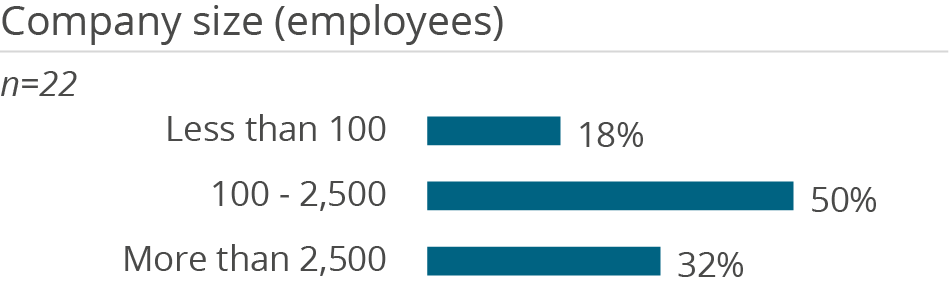
Qlik Data Integration sits within this broader portfolio of data management solutions, serving midsize-to-large enterprises with hybrid and cloud deployments. The company continues to work on integrating these formerly separate products into a more unified experience and brand. From a customer perspective, this integration journey is ongoing – users benefit from the portfolio’s breadth while navigating the complexity of tools from different origins. Qlik is investing to realize synergies and remove friction, though customers still encounter some portfolio-related challenges.
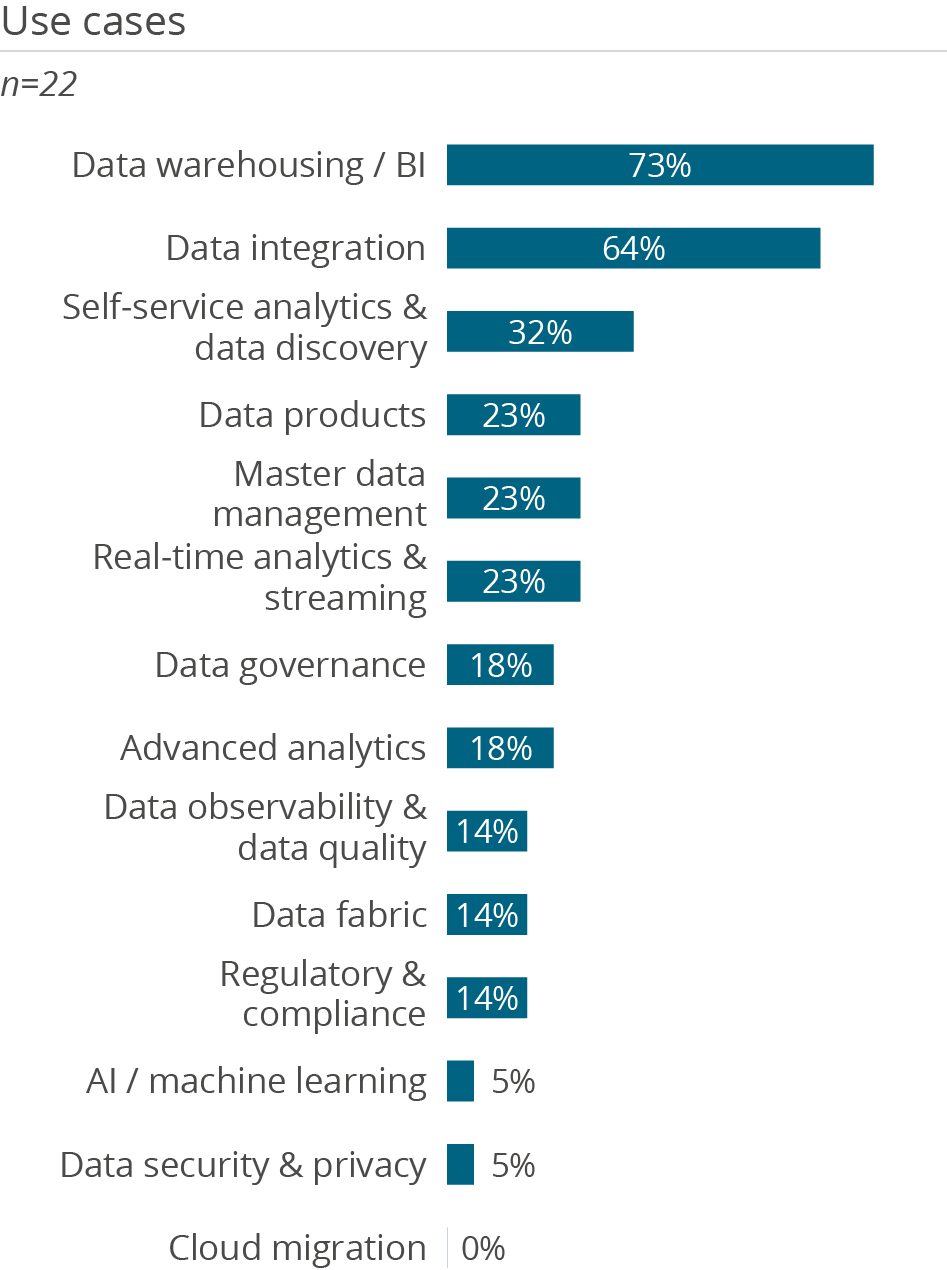
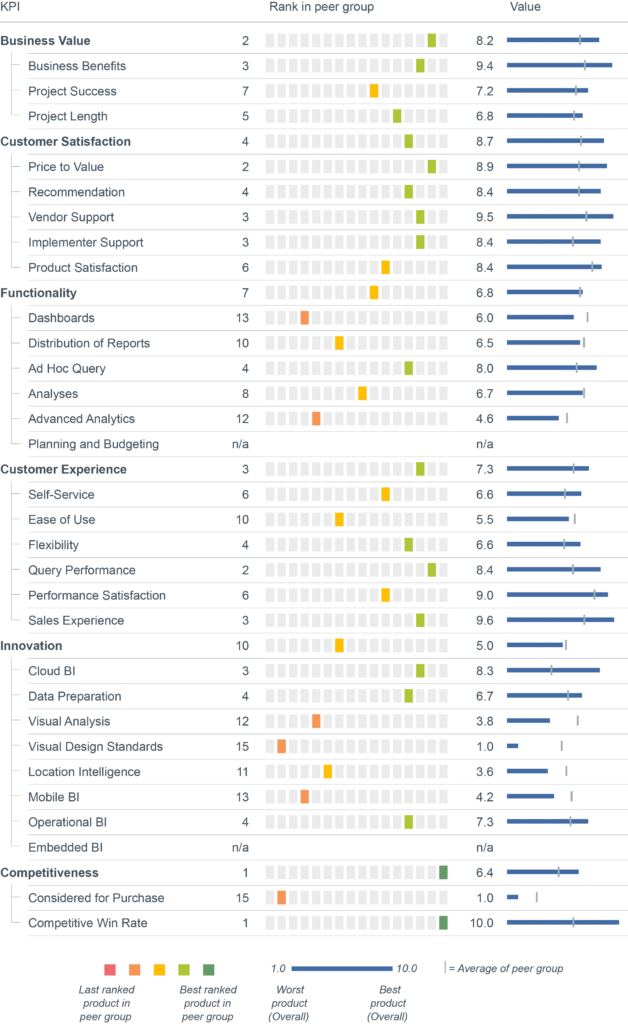
In The Data Fabric Survey 26, 22 users evaluated Qlik Data Integration. The product’s standout strength is connectivity: 59% of users cite connectivity to source and target systems as a key reason to purchase. One user praised the platform’s “many connectors,” while another highlighted “fast integration of all types of data.” This connectivity advantage is underpinned by Qlik’s acquisition-driven portfolio, which has expanded its reach across diverse data sources and targets. The platform ranks third in the ETL Tools peer group for Connectivity (7.6/10) and delivers exceptional Platform Reliability. Key User Support ranks second in two peer groups (7.1/10), reflecting strong technical assistance.
Beyond connectivity, Qlik Data Integration demonstrates solid business value. It ranks second for Project Success (7.1/10) and third for Project Length (7.3/10) in the ETL Tools peer group, indicating that implementations deliver results efficiently. A user testimonial captures this well: “Easy to use; Complete ETL in a single programming language environment; Very fast; No problem with VERY large data volumes; A SaaS platform that covers all our needs.” These project outcomes suggest technical teams can successfully deploy the platform for complex integration scenarios.
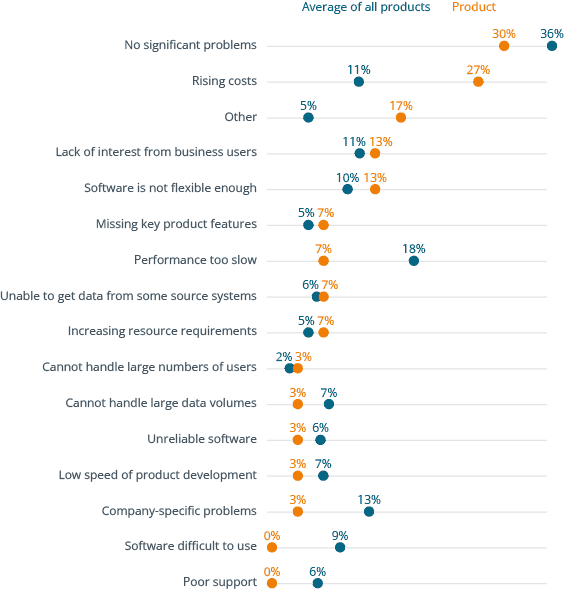
However, complexity emerges as a significant obstacle across multiple dimensions. 33% of users report the tool is too difficult for business users – substantially higher than the 19% average – while 29% cite lack of know-how to use the software, compared to just 19% on average. These usability and knowledge gaps as well as the integration challenges named in the beginning help explain why Qlik Data Integration ranks sixth for Recommendation (6.8/10) and sixth for overall Customer Satisfaction (7.0/10) in the Data Warehouse Automation and ETL Tools peer groups, despite its strong project delivery record.
Qlik Data Integration is a connectivity-first choice for organizations tackling complex, multi-source integration scenarios across hybrid or multi-cloud environments. It is less suitable for projects requiring business user self-service, simple administration, or highly adaptable and flexible integration solutions. As Qlik continues to unify its acquisition-based portfolio, customers should monitor progress in streamlining product experiences and addressing usability concerns.