Databricks Data Intelligence Platform

What is Databricks Data Intelligence Platform?

End-to-end platform solution for processing large amounts of data for data engineering, data science and building agents based on a further development of Apache Spark technology.

Customer Satisfaction
7.6
Rated 7.6 out of 10
User Experience
7.0
Rated 7 out of 10
Technical Foundation
7.7
Rated 7.7 out of 10
Business Value
7.1
Rated 7.1 out of 10

About Databricks Data Intelligence Platform

Self-description of the vendor

No vendor self-description available
About BARC Reviews

Would you like to find out more about BARC reviews? Our FAQs answer the most important questions.

References
No data available
Partners
No data available
BARC studies, events and webinars with this vendor

Databricks Data Intelligence Platform BARC Review & Rating

Provider and product description

Founded in 2013 by the creators of Apache Spark and headquartered in San Francisco, Databricks pioneered the lakehouse architecture to simplify and democratize data and AI solutions. The company serves over 10,000 customers globally through a partner ecosystem of 1,200+ partnerships spanning cloud providers, independent software vendors, and consulting firms. Notable acquisitions include Mosaic (AI platform), Neon in May 2025 (transactional workloads), and Tabular in June 2024 (Iceberg storage layer). Strategic partnerships include AWS, Azure, GCP, NVIDIA, Anthropic, OpenAI, and SAP.

The Databricks Data Intelligence Platform combines data warehouse performance with data lake flexibility through an open lakehouse architecture. Designed for high-volume data processing, data engineering pipelines, real-time analytics, and machine learning deployment, it is ideal for technical teams preferring Notebooks over traditional SQL environments. The platform is built on open-source foundations: Delta Lake and Iceberg for ACID-compliant storage with time travel, Apache Spark and Photon Engine for distributed processing, and Unity Catalog for centralized governance, metadata management, and lineage. Key capabilities include Databricks SQL Warehouses for BI workloads, Delta Live Tables for real-time processing, Mosaic AI for Vector Search and RAG-based model deployment, and Agent Bricks for production-ready AI agent systems with automated optimization. The platform offers linear scalability with pay-on-demand serverless pricing across AWS, Azure, and GCP, supporting hybrid and multi-cloud deployments. Through the SAP Databricks partnership, it natively integrates into SAP Business Data Cloud, combining critical SAP data with external sources for advanced analytics and AI.

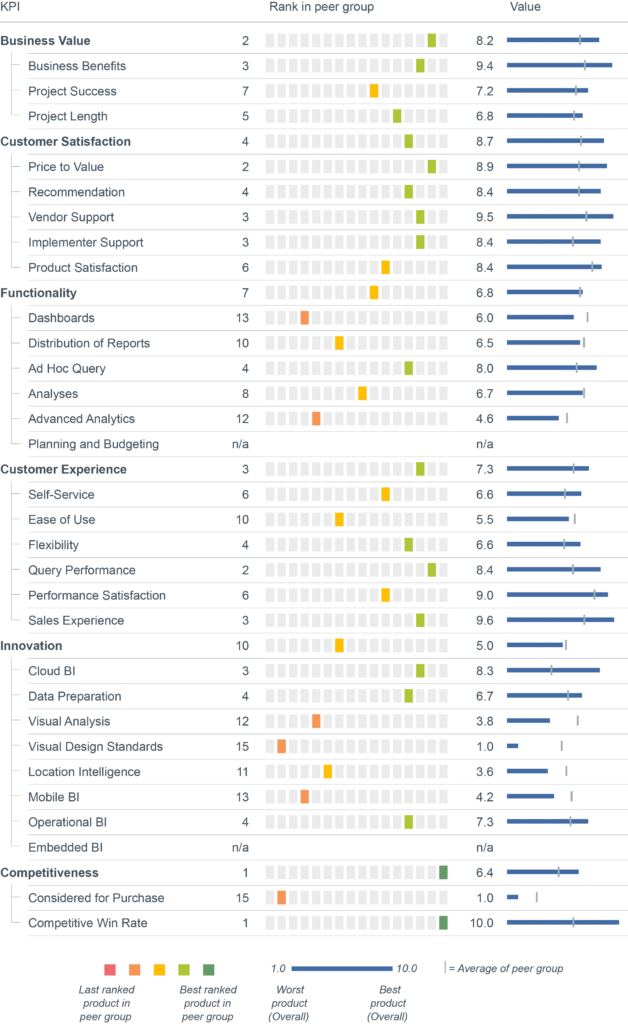
Based on 20 responses in The Data Fabric Survey 26, Databricks demonstrates strong momentum with significant year-over-year improvements. Business Value jumped from 5.4 to 7.1, Customer Satisfaction from 5.4 to 7.6, and User Experience from 5.8 to 7.0 – driven by enhanced functional coverage and ease of use. Technical Foundation remained strong at 7.7/10. The platform exceeds category averages in nearly all KPIs except Data Security & Privacy and Key User Support, excelling particularly in Performance (8.6/10), Platform Reliability (8.3/10), Scalability (8.3/10), and Functional Coverage (7.9/10).

Customers cite functional capabilities (60%), scalability (50%), and performance (40%) as top purchase drivers – all well above category averages. A standout differentiator is AI utilization: 40% purchased Databricks for its AI automation and advanced user experience versus 8% industry average, validating its AI-native positioning. The platform’s “toolbox” architecture enables flexible combination of tools and engines, providing adaptability across diverse workloads and data formats.

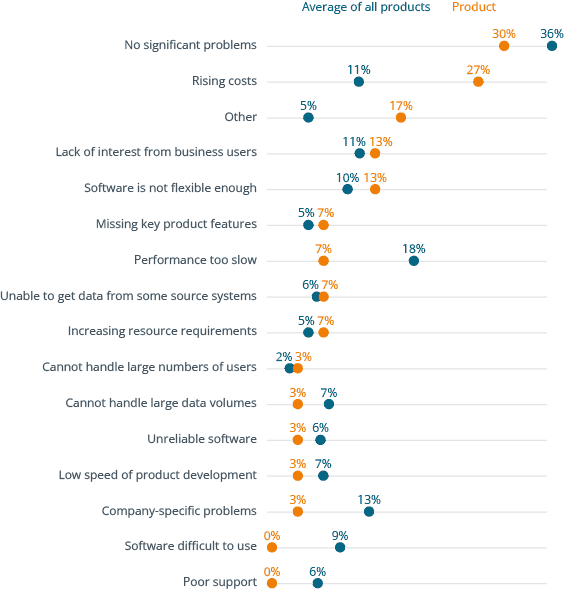
Despite strong technical performance, challenges center on business user accessibility and complexity. Most reported problems relate to business user support and administrative complexity, with only 16% reporting no significant issues. Key User Support scored below average (5.9/10). No major technical problems emerged, indicating challenges are adoption-focused rather than architectural. Cost optimization demands platform expertise, and the solution may be excessive for smaller organizations without advanced data science needs.

Databricks demonstrates robust technical capabilities with impressive year-over-year momentum, establishing itself as a leading platform for data-intensive workloads and AI/ML use cases. Its lakehouse architecture positions it well for converging data and AI requirements. Organizations should invest in training and skilled resources to maximize value, as the platform suits technical teams comfortable with code-first development. It is less ideal for casual SQL-based scenarios or those primarily requiring mature out-of-the-box BI tools. As ease-of-use features and low-code options mature, broader business user adoption is expected, though inherent complexity reflects the platform’s comprehensive capabilities.


Strengths and challenges of Databricks Data Intelligence Platform

BARC’s viewpoint on the product’s strengths and challenges.

Strengths
  • Ranked top for Connectivity in the Data Platforms (Big Player) and Data Warehouses peer groups, with excellence in Performance (8.6/10), Platform Reliability (8.3/10), and Scalability (8.3/10).
  • "Toolbox" architecture enables flexible combination of tools and engines for various workloads, providing maximum adaptability and freedom of choice in data formats (Delta, Iceberg, others) with linear scalability especially useful in larger scenarios.
  • Seamless data integration between transactional data in Lakebase (Neon) and analytical data in Delta Lake via Unity Catalog; newly packaged data pipeline capabilities with Lakeflow start to close the gap in data transformation.
  • AI Models can easily be built based on Databricks data, with 40% of customers purchasing specifically for high utilization of AI for automation and advanced user experience (vs. 8% average).
Challenges
  • Complexity of platform and user know-how ranked somewhat higher than peers; can be overly complex for smaller companies or use cases without advanced data science requirements, with only 16% reporting no significant problems.
  • Built-in dashboarding and BI capabilities are less mature than market leaders, often requiring third-party tools for the last mile of analytics; catalog mainly focuses on technical metadata management, access control, and lineage with third-party tools needed for advanced cataloging use cases.
  • Cost optimization requires dedicated skills in platform utilization; query performance at very large scale can become either very tricky or very expensive.
Need more help finding the right software?

Find out how our expertise can help you.

Databricks Data Intelligence Platform User Reviews & Experiences

The information contained in this section is based on user feedback and actual experience with Databricks Data Intelligence Platform.

The information and figures are largely drawn from BARC’s The BI & Analytics Survey, The Planning Survey, The Financial Consolidation Survey and The Data Management Survey. You can find out more about these surveys by clicking on the relevant links.

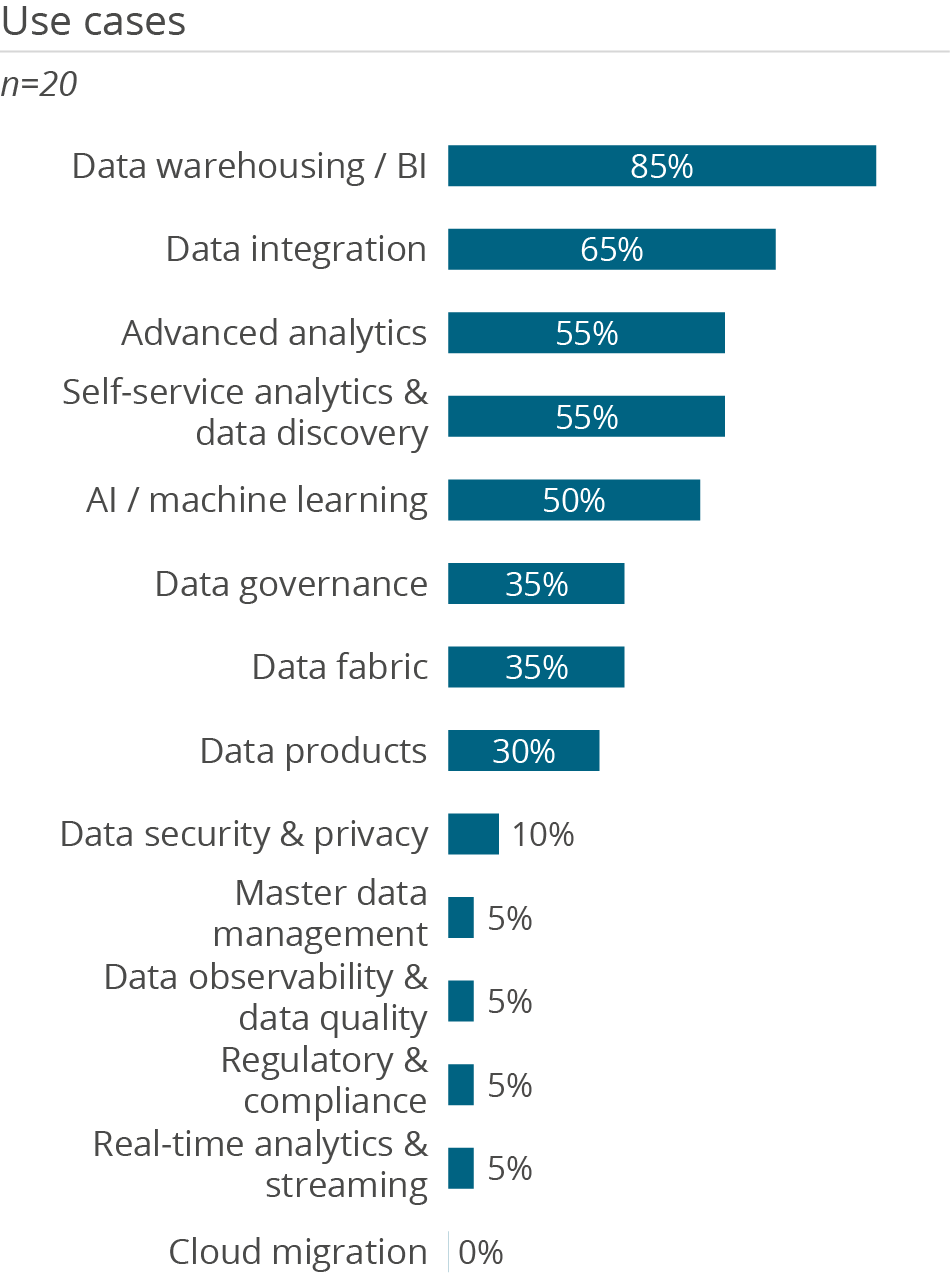
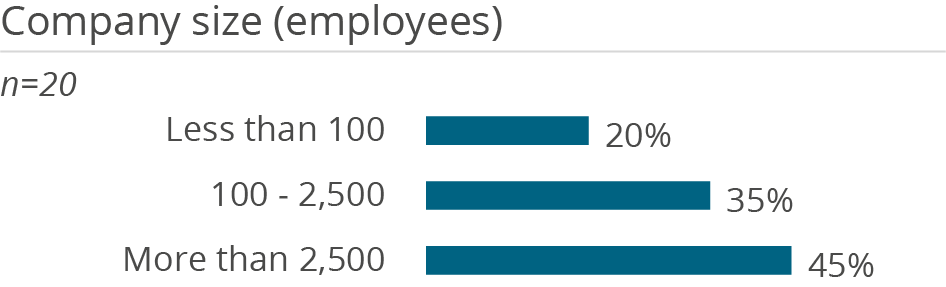
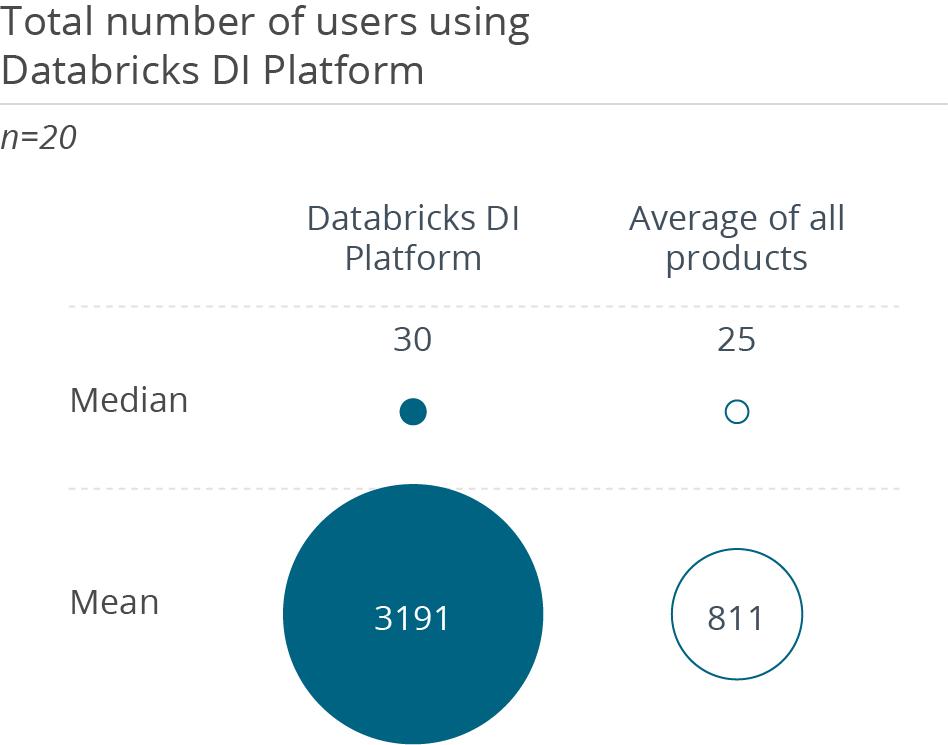
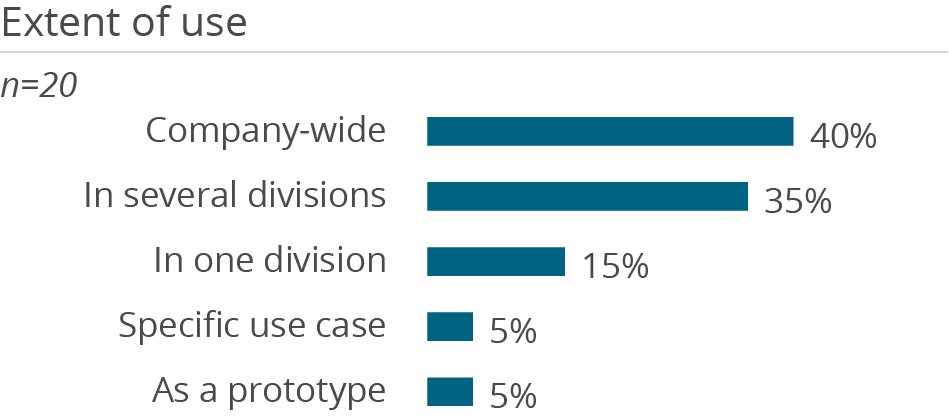
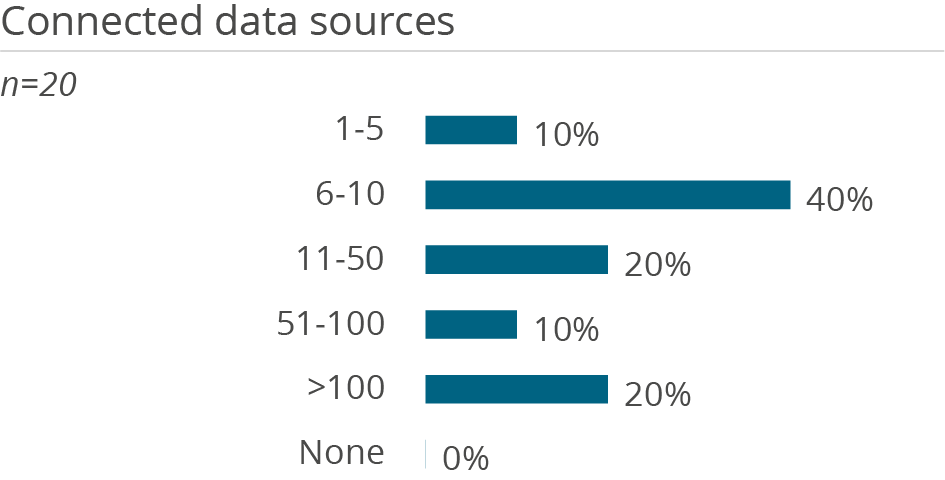
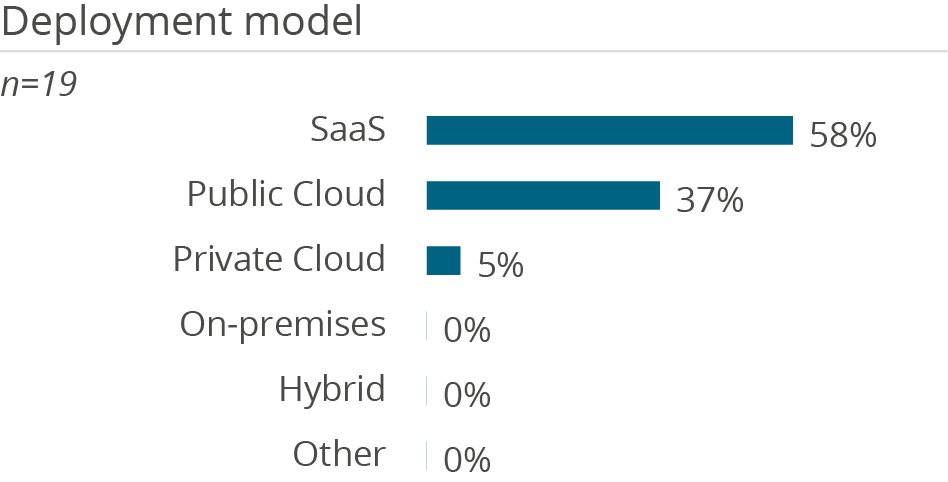
Who uses Databricks Data Intelligence Platform in a data management context and how

Why users buy Databricks Data Intelligence Platform and what problems they have using it

Premium content. Unlock with BARC+.
For just €79 per month (€948 per year) you can access all the paid content on www.barc.com.
Your benefits:

Full user reviews and KPI results for Databricks Data Intelligence Platform

All key figures for Databricks Data Intelligence Platform at a glance.

Premium content. Unlock with BARC+.
For just €79 per month (€948 per year) you can access all the paid content on www.barc.com.
Your benefits:

Individual user reviews for Databricks Data Intelligence Platform

Role
Business analyst
Number of employees
More than 2.500
Industry
Retail
Source
BARC Panel, Data Fabric 26, 02/2025
What do you like best?

High performance and efficiency; AI & ML integration; simplifies data governance.

What do you like least/what could be improved?

Complex UI for beginners that requires deep expertise.

What key advice would you give to other companies looking to introduce/use the product?

Invest in skills and training for both business users and data engineers.

How would you sum up your experience?

I think it's the right fit when you're looking to unify ETL, analytics, and AI on a single platform.

Role
Data engineer/Data manager
Number of employees
100 - 2.500
Industry
Manufacturing
Source
BARC Panel, Data Fabric 26, 06/2025
What do you like best?

Die hohe Skalierbarkeit und dass Python, Scala und SQL unterstützt werden.

What do you like least/what could be improved?

Das Userinterface könnte besser sein. Man findet nicht immer alles sofort.

What key advice would you give to other companies looking to introduce/use the product?

Genau prüfen ob Spark wirklich notwenig ist oder ob soetwas wie DuckDB nicht ausreichend ist.

How would you sum up your experience?

Alles in allem sehr positiv bisher. Unsere Data Scientists waren sofort in der Lage, loszulegen und eigene Notebooks zu erstellen. Dadurch, dass es als Service in Azure buchbar ist, war die Hürde, die Software anzuschaffen, auch deutlich niedriger als bei anderen.

Role
Head of business department
Number of employees
100 - 2.500
Industry
Transportation and logistics
Source
BARC Panel, Data Fabric 26, 02/2025
What do you like best?

Mehrsprachigkeit für die Realisierung von Daten‑Management‑Flows. Unabhängigkeit von Hyper‑Scalern.

What do you like least/what could be improved?

Es könnte mehr Low‑Code‑Optionen geben und eine bessere Job‑Orchestrierung.

What key advice would you give to other companies looking to introduce/use the product?

Genug Zeit, in einen PoC zu investieren, um auch schwierigere Anwendungsfälle abzudecken.

How would you sum up your experience?

Sehr gut. Auch wenn wir aus einer Low‑Code‑Umgebung kommen und einiges an Know‑how im Team aufbauen mussten, hat sich der Invest auf jeden Fall gelohnt.

Role
Data owner
Number of employees
More than 2.500
Industry
Manufacturing
Source
BARC Panel, Data Fabric 26, 04/2025
What do you like best?

Performance is amazing - lightning fast - and it offers connectors to many different systems. It has transformed our data knowledge, enabling business users to create tables and subtables that would have previously taken a technical resource weeks to develop.

What do you like least/what could be improved?

More training for business users.

What key advice would you give to other companies looking to introduce/use the product?

Full steam ahead, it's the future and this is the best platform.

How would you sum up your experience?

Absolutely essential.

Role
Consultant
Number of employees
More than 2.500
Industry
Consulting
Source
BARC Panel, Data Fabric 26, 02/2025
What do you like best?

Its integration with other Azure services and the use of the platform by some other enterprise vendors.

What do you like least/what could be improved?

Pricing and migration tools.

What key advice would you give to other companies looking to introduce/use the product?

Cloud lift-and-shift is often a challenging value proposition; consider a blended architecture that uses appropriate tools for the job to be done.

How would you sum up your experience?

I am impressed by their roadmap and stepwise developments. Spark can be complex and has a learning curve. We are closely watching the Parquet vs. Iceberg and Delta Lake format evolution and the industry's plans.

Role
Data engineer/Data manager
Number of employees
More than 2.500
Industry
Healthcare
Source
BARC Panel, Data Fabric 26, 02/2025
What do you like best?

Covers the needs of our enterprise data management across the company.

What do you like least/what could be improved?

Very hard to manage compliance.

What key advice would you give to other companies looking to introduce/use the product?

A lot of governance is needed, both technical and data governance.

How would you sum up your experience?

Currently meets our business needs.

Role
Enterprise architect
Number of employees
More than 2.500
Industry
Healthcare
Source
BARC Panel, The Data Management Survey 25, 04/2024
What do you like best?

Great, performant, stable tool. We switched over from Cloudera's Hive/Impala and it was a huge improvement.

What do you like least/what could be improved?

The price. It is expensive and we need to keep a close eye on cloud costs.

What key advice would you give to other companies looking to introduce/use the product?

Small POCs, validate its true cost, invest time in optimizing data-models and/or queries. Every cent spent in query optimization saves $$ on the medium long term.

How would you sum up your experience?

Expensive but love it.

Role
Data engineer/Data manager
Number of employees
More than 2.500
Industry
Transportation and logistics
Source
BARC Panel, The Data Management Survey 25, 02/2024
What do you like best?

Einfachheit der Administration.

What do you like least/what could be improved?

Integration mit anderen Services ist aufwendig.

What key advice would you give to other companies looking to introduce/use the product?

Es gibt einen Unterschied zwischen Marketing und der sinnvollen Nutzung.

How would you sum up your experience?

Die Nutzung von neuen Features vorsichtig einführen.

Role
Consultant
Number of employees
More than 2.500
Industry
Utilities
Source
BARC Panel, The Data Management Survey 25, 03/2024
What do you like best?

The Spark SQL Engines makes it easy for SQL Developers to work with the platform.

What do you like least/what could be improved?

-

What key advice would you give to other companies looking to introduce/use the product?

-

How would you sum up your experience?

It's a powerful ecosystem for data & analytics.

Role
Enterprise architect
Number of employees
More than 2.500
Industry
Transportation and logistics
Source
BARC Marketing, The Data Management Survey 25, 03/2024
What do you like best?

Flexibilität in der Programmiersprache. Trennung von Storage und Compute.

What do you like least/what could be improved?

Komplexität insbesondere in Bezug auf den Unity Catalogue.

What key advice would you give to other companies looking to introduce/use the product?

Es braucht ein übergreifendes Konzept für die Verwendung (z.B. Data Lakehouse, Medaillon Architecture, etc.).

How would you sum up your experience?

Zum Einsatz als zentrale Datenmanagement Plattform geeignet.

Survey Information
Number of reviews for Databricks Data Intelligence Platform
20
Reviewed versions
Peer groups in the survey
Data Platforms, Data Warehouses, Data Platforms (Big Players)
Don‘t miss out!
Join over 25,775 data & analytics professionals and get the latest product insights, research, surveys and more!
Our newsletter is your source for the latest developments in data, analytics, and AI!